
Urinary Incontinence in Eluru
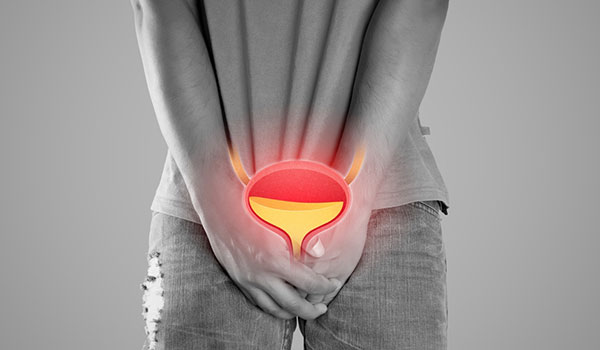
Urinary incontinence (UI) at Amulya Hospital is approached with a comprehensive, patient-centered strategy that emphasizes precise diagnosis and individualized treatment plans. The hospital’s multidisciplinary team conducts thorough assessments, including detailed patient histories, physical examinations, and advanced diagnostic tests like urinalysis, bladder diaries, and urodynamic studies, to accurately identify the underlying causes of UI. This meticulous approach ensures that each patient’s unique condition—whether stress, urge, or mixed incontinence—is understood deeply, enabling tailored interventions that address their specific needs. The hospital’s commitment to personalized care extends beyond diagnosis, incorporating ongoing education and counseling to empower patients with knowledge about their condition and management options, fostering adherence and improving long-term outcomes.
Urinary incontinence treatment in Eluru encompass a wide spectrum of conservative to advanced surgical options, reflecting the complexity of urinary incontinence management. Non-invasive measures such as pelvic floor muscle exercises (Kegel exercises), bladder training, and lifestyle modifications—including fluid management and weight control—serve as foundational therapies, often yielding significant improvements. For cases requiring pharmacological intervention, the hospital employs modern agents like anticholinergics and beta-3 adrenergic agonists to relax overactive bladder muscles effectively. Urinary bladder infection treatment in Kaikaluru typically involves a course of antibiotics prescribed by a healthcare professional after proper diagnosis. It is important to maintain good hydration, practice proper hygiene, and follow the prescribed medication regimen to ensure effective recovery. When conservative methods prove insufficient, minimally invasive procedures such as bulking agent injections and nerve stimulation therapies like sacral neuromodulation are utilized to enhance bladder control. For more severe or refractory cases, the hospital's surgical teams perform precise interventions including sling procedures, pubovaginal slings, or the implantation of artificial urinary sphincters, ensuring optimal results with minimal discomfort and risk.
Amulya Hospital’s commitment to innovation and compassionate care is evident in its state-of-the-art facilities and the expertise of its urology specialists. The hospital emphasizes continuous patient support through follow-up visits, counseling, and education programs designed to help patients manage their condition effectively within their lifestyle. Its focus on early diagnosis and intervention aims to prevent disease progression and improve quality of life. The hospital actively promotes awareness about UI, encouraging early consultation and destigmatizing the condition, thereby facilitating timely treatment. By integrating cutting-edge technology with empathetic patient care, Amulya Hospital strives to restore confidence and physical well-being for those affected by urinary incontinence, setting a benchmark for holistic urological care in the region.
Different treatment options:
- Lifestyle Modifications: Initial management often includes bladder training, scheduled voiding, weight loss for overweight individuals, and fluid management to reduce symptoms. Pelvic floor muscle exercises (Kegel exercises) strengthen muscles supporting the bladder, improving control. Avoiding bladder irritants like caffeine, alcohol, and spicy foods can also help reduce incontinence episodes.
- Behavioral Therapies: Techniques such as bladder diary tracking help identify triggers and patterns. Biofeedback can assist patients in learning proper pelvic muscle contractions. Timed voiding schedules help retrain bladder habits, especially useful in urge incontinence.
- Medications: Anticholinergic drugs (e.g., oxybutynin, tolterodine) relax bladder muscles to decrease urgency and frequency. Mirabegron, a beta-3 adrenergic agonist, increases bladder capacity. For stress incontinence, topical estrogen may improve tissue strength, especially in postmenopausal women. In cases of overflow incontinence, medications like alpha-blockers help relax the prostate and bladder neck.
- Minimally Invasive Procedures: Urethral bulking agents (e.g., collagen injections) are used to close leaks in cases of sphincter deficiency. Sacral nerve stimulation involves electrical stimulation to modulate nerve signals controlling the bladder, effective for refractory urge or mixed incontinence. Perineal or vaginal tapes (e.g., sling procedures) provide support for the urethra in stress incontinence.
- Surgical Interventions: When conservative methods fail, surgeries like pubovaginal slings, retropubic urethropexy, or artificial urinary sphincters are considered, especially in severe stress or overflow incontinence. These procedures aim to restore continence by supporting or replacing damaged sphincters.
- Emerging Therapies: Stem cell therapy and regenerative medicine are investigational options aimed at restoring bladder or sphincter function, though these are not yet standard practice.
Are you struggling with urinary incontinence? Dr. Sree Harsha Nutalapati, the best urology specialist in Eluru at Amulya Hospitals, is here to help you regain your confidence and quality of life. With expert care, advanced treatment options, and compassionate support, Dr. Nutalapati provides personalized solutions tailored to your needs. Don't let urinary incontinence hold you back—schedule your consultation today at Amulya Hospitals and take the first step toward a healthier, more comfortable tomorrow.